
The Rapid Evolution of Technology in the Digital Era
Technology has become the foundation of the modern digital world. From communication and business operations to education, healthcare, and entertainment, digital tools influence nearly every aspect of daily life. By 2026, technology is no longer just a support system; it has become a central driver of innovation, productivity, and decision-making. Organizations and individuals who adapt quickly to digital change are gaining a clear advantage in an increasingly competitive global environment.
Artificial Intelligence as the Core of Digital Innovation
Artificial Intelligence is one of the most powerful forces shaping today’s digital ecosystem. AI enables machines and platforms to analyze data, learn from patterns, and make intelligent decisions. It is widely used in automation, personalization, customer support, and predictive analytics. AI-driven systems allow digital platforms to deliver faster, smarter, and more relevant experiences, making technology more responsive to human needs and expectations.
Data and Analytics Driving Digital Decisions

Data has become the most valuable asset in the digital economy. Every interaction on digital platforms generates data that can be analyzed to understand behavior, trends, and performance.
Data-driven digital growth is supported by:
- Better understanding of user behavior and preferences
- Accurate measurement of digital performance and engagement
- Smarter, insight-based decision-making
This analytical approach helps businesses and platforms reduce uncertainty and build strategies that are measurable, scalable, and future-ready.
Cloud Computing and Scalable Digital Infrastructure
Cloud computing has transformed how digital systems are built and managed. Instead of relying on physical infrastructure, organizations now use cloud-based platforms to store data, run applications, and collaborate across locations. Cloud technology provides flexibility, cost efficiency, and scalability, making it easier to respond to changing digital demands. It also supports remote work, real-time access, and seamless global operations, all of which are essential in a connected digital world.
Cybersecurity and Digital Trust Becoming Essential
As digital dependence grows, cybersecurity has become a critical concern. Cyber threats, data breaches, and privacy risks can seriously damage user trust and brand reputation. Organizations are investing heavily in secure systems, encryption, and regulatory compliance to protect sensitive information. Digital trust is now a key factor in technology adoption, as users expect platforms to safeguard their data and maintain transparency.
The Rise of Smart Devices and Connected Technologies
Smart devices and connected technologies are reshaping everyday life through real-time data exchange and automation. The Internet of Things allows devices to communicate with each other, creating intelligent and responsive systems.
Connected technologies are commonly used in:
- Smart homes, wearables, and personal devices
- Connected vehicles and transportation networks
- Industrial automation and smart city infrastructure
These innovations make digital experiences more efficient, personalized, and convenient for users worldwide.
User Experience and Human-Centered Digital Design
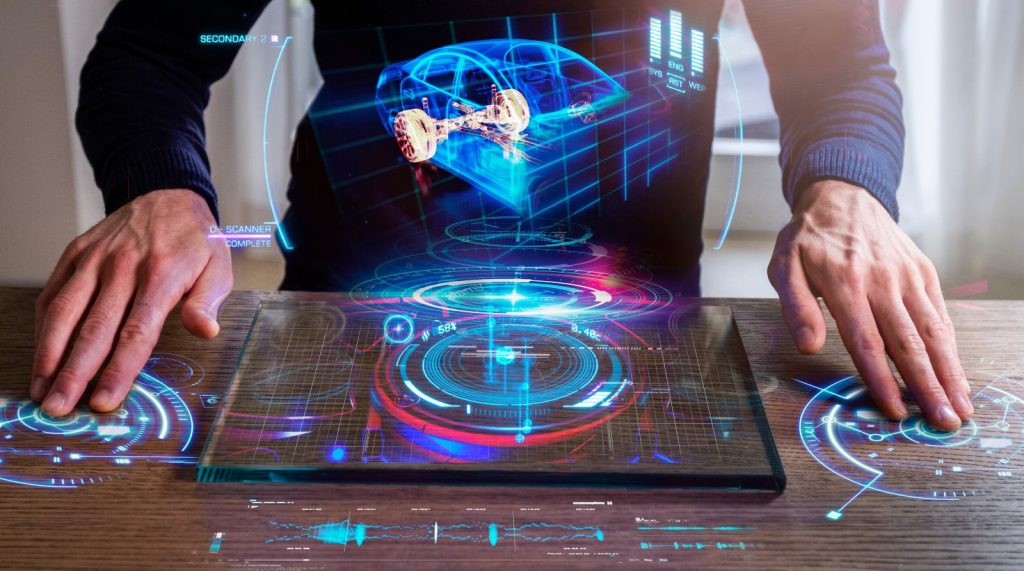
User experience has become a defining factor in digital success. Modern platforms focus on simplicity, speed, and accessibility to meet rising user expectations. Human-centered digital design ensures that technology feels intuitive rather than complex. Platforms that prioritize usability, accessibility, and inclusive design are more likely to retain users and build long-term engagement in a competitive digital environment.
Digital Platforms and the Experience Economy
Digital platforms are no longer limited to providing services; they are creating complete digital experiences. Users expect smooth navigation, fast performance, and emotionally engaging interfaces. The experience economy emphasizes value, convenience, and emotional connection. Platforms that successfully deliver meaningful digital experiences are better positioned to build loyalty, trust, and sustainable growth.
Digital Skills and the Future Workforce

The rapid pace of technological change has increased the demand for digital skills across all industries. Digital knowledge is no longer limited to technical roles; it is becoming essential for the modern workforce.
Key skills shaping the future workforce include:
- Data literacy and analytical thinking
- Understanding of AI and automation
- Digital communication and collaboration skills
Organizations that invest in upskilling and reskilling are better prepared to adapt to continuous digital transformation.
Ethical Technology and Responsible Digital Growth
As technology becomes more advanced, ethical considerations are gaining global attention. Issues such as data privacy, AI bias, and responsible use of digital systems are now central to technology discussions. Ethical technology focuses on transparency, fairness, and long-term societal impact. Responsible digital growth helps build trust and ensures that innovation benefits both businesses and communities.
Conclusion
Tech and digital insights reveal that technology is evolving into a more intelligent, connected, and human-centered ecosystem. Long-term digital success depends on balancing innovation with security, ethics, and user experience. As the digital world continues to grow, adaptability, digital awareness, and responsible technology use will remain essential for individuals and organizations shaping the future.
#TechInsights #DigitalInsights #FutureOfTech #DigitalTransformation #AITrends #DataDriven #CloudTechnology #CyberSecurity #SmartTechnology #UserExperience #DigitalGrowth #TechTrends2026#Carrerbook#Anslation.