
The New Work Reality and the Focus Challenge
Work from home has transformed the way people approach their professional lives. While it offers flexibility, comfort, and time savings, it also creates unique challenges related to focus and concentration. Unlike a traditional office, the home environment includes distractions such as household noise, family responsibilities, and constant access to digital devices. Research in productivity and behavioral science suggests that focus is not a fixed trait but a skill that can be developed with the right habits, environment, and mental strategies. By applying simple, science-informed life hacks, it is possible to create a work-from-home routine that supports deep focus and consistent performance.
Understanding Focus: How the Brain Manages Attention

Focus is not just about motivation or discipline; it is deeply rooted in how the brain processes attention and information.
Paragraph Explanation:
Neuroscience explains that the brain uses a limited pool of cognitive resources to manage attention. The prefrontal cortex, responsible for planning and decision-making, becomes highly active during focused work. However, frequent interruptions, multitasking, and task-switching overload this system, leading to mental fatigue and reduced efficiency. This is why people often feel exhausted without completing meaningful work while working from home.
Key Brain-Based Focus Points:
- The brain performs best when attention is directed to one task at a time
- Multitasking reduces efficiency and increases cognitive strain
- Frequent interruptions break deep focus cycles
- Sustained attention requires intentional mental boundaries
Designing a Focus-Friendly Work Environment
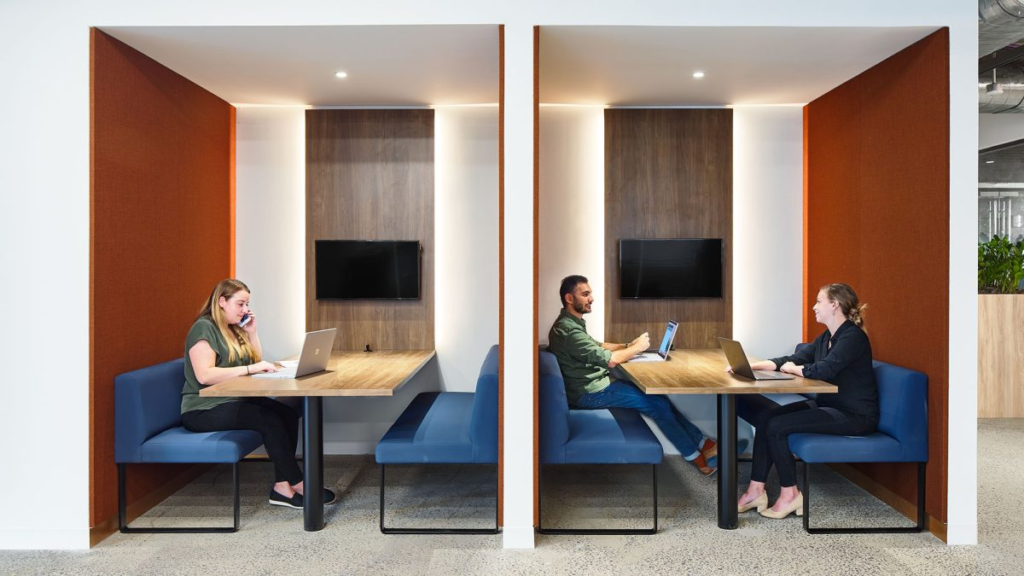
The physical environment plays a foundational role in shaping focus and productivity at home.
A dedicated workspace sends a strong psychological signal to the brain that it is time to work. When work is done from a bed or sofa, the brain associates the space with relaxation, making concentration more difficult. An organized, clutter-free workspace reduces visual distractions and supports mental clarity. Even small adjustments—such as proper lighting, comfortable seating, and minimal noise—can significantly improve focus during work hours.
Structuring Your Workday for Deep Focus
One of the biggest challenges of working from home is the lack of a defined structure, which can cause the workday to feel scattered and unproductive.
Paragraph Explanation:
Productivity research shows that the brain works best in focused time blocks rather than long, uninterrupted hours. Creating a clear daily structure helps the brain anticipate work periods and rest periods. When tasks are aligned with natural energy levels, focus becomes easier to maintain, and mental exhaustion is reduced.
Effective Workday Structure Points:
- Working in time blocks supports sustained concentration
- Planned breaks prevent mental burnout
- Clear task prioritization reduces decision fatigue
- Aligning tasks with energy levels improves efficiency
Digital Discipline: Managing Online Distractions
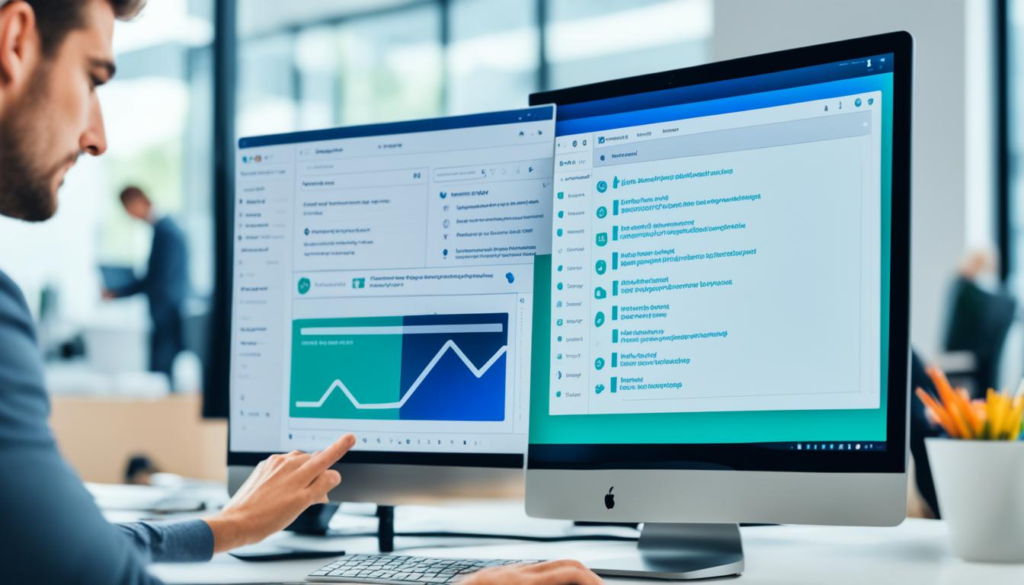
Digital tools are essential for remote work, but they are also one of the biggest threats to focus.
Paragraph Explanation:
Emails, instant messages, and social media notifications constantly pull attention away from meaningful work. Studies show that after each digital interruption, the brain takes several minutes to regain full focus. Without clear digital boundaries, the mind remains in a reactive state, making deep work nearly impossible.
Digital Focus Management Points:
- Notifications disrupt attention and break focus flow
- Constant connectivity keeps the brain in alert mode
- Scheduled communication times improve concentration
- Reducing digital noise supports deeper work sessions
Mental Focus Hacks Backed by Science
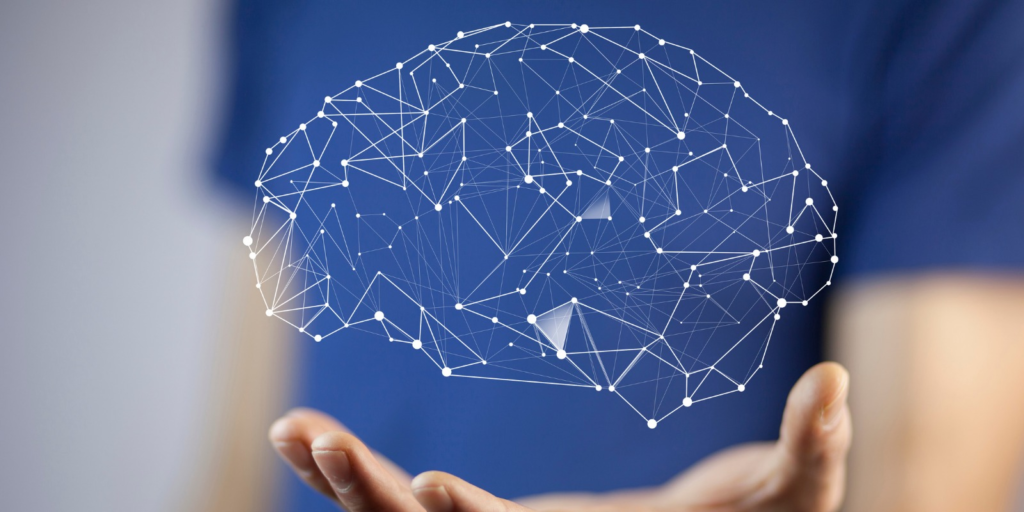
Focus is not only influenced by the external environment but also by internal mental states.
Paragraph Explanation:
Stress, anxiety, and overthinking activate the brain’s fight-or-flight response, which directly interferes with concentration. Neuroscience research shows that calming the nervous system improves attention span and mental clarity. Simple mental practices can help the brain shift from a reactive state to a focused one.
Science-Based Mental Focus Points:
- Controlled breathing calms the nervous system
- Mindfulness improves present-moment awareness
- Reduced mental clutter supports sustained attention
- Mental calmness enhances problem-solving ability
The Role of Breaks and Physical Movement
Continuous work without breaks may seem productive, but science proves otherwise.
Short breaks and light physical movement increase blood flow to the brain, improving alertness and cognitive performance. Even brief movement helps reset mental energy, allowing the next work session to be more focused and effective. Regular breaks are not a waste of time; they are a productivity tool.
- Innovative Wellness Tech That Transforms Everyday Health

- Simple Mindful Rituals to Heal, Energize, and Thrive

- Simple Wellness Habits That Actually Improved My Life

Consistency and Routine: The Long-Term Focus Strategy
Consistency is one of the most underrated but powerful focus hacks in a work-from-home setup.
When work hours, breaks, and routines remain consistent, the brain adapts to a predictable rhythm. This reduces resistance to starting work and makes focus more automatic over time. A stable routine transforms focus from an effort-driven task into a natural habit.
Final Thoughts
Working from home does not have to mean constant distraction and reduced productivity. Focus is a skill that can be trained through intentional choices related to environment, schedule, digital behavior, and mental well-being. When small life hacks are applied consistently, the home can become a highly effective and focused workspace. Over time, these habits not only improve work performance but also support better mental balance and long-term professional growth.
#WorkFromHome #WFHLife #FocusAtWork #ProductivityHacks #RemoteWork #WorkSmart #DeepFocus #LifeHacks #DigitalDiscipline #MentalFocus #HealthyWorkLife #IESContent#Carrerbook#Anslation.